Latest News
Stay updated with our latest stories, impact reports, and community news.
All Articles

SmartLife expands access to volunteer programs supporting the UAE’s Semi-Skilled & Unskilled Workforce
October 21, 2026

Dubai Holding Entertainment
September 25, 2026

At 90, he feels like college student again: Dubai club helps seniors find new circle
September 20, 2026

SMARTLIFE FOUNDATION LAUNCHES “SMART SUSTAINABLE FAMILY” INITIATIVE
September 17, 2026
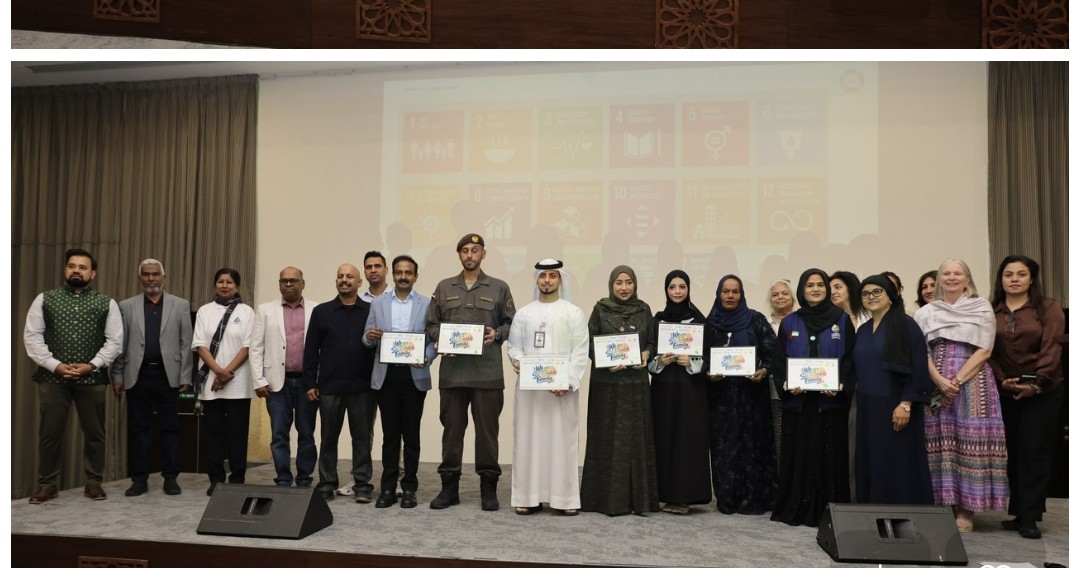
SmartLife Foundation Launches “Smart Sustainable Family” Initiative
September 17, 2026

Cool Bus Shelter: Bringing Relief to Outdoor Workers in the UAE
July 23, 2026

The Journey of UAE's Unsung Heroes | The First Ultimate SmartChef 2026.
July 17, 2026

Dubai’s Migrants Face New Fears Amid Regional Conflict
June 3, 2026

Gambit Communications Wins PRCA MENA Young Lions PR Competition 2026
May 5, 2026
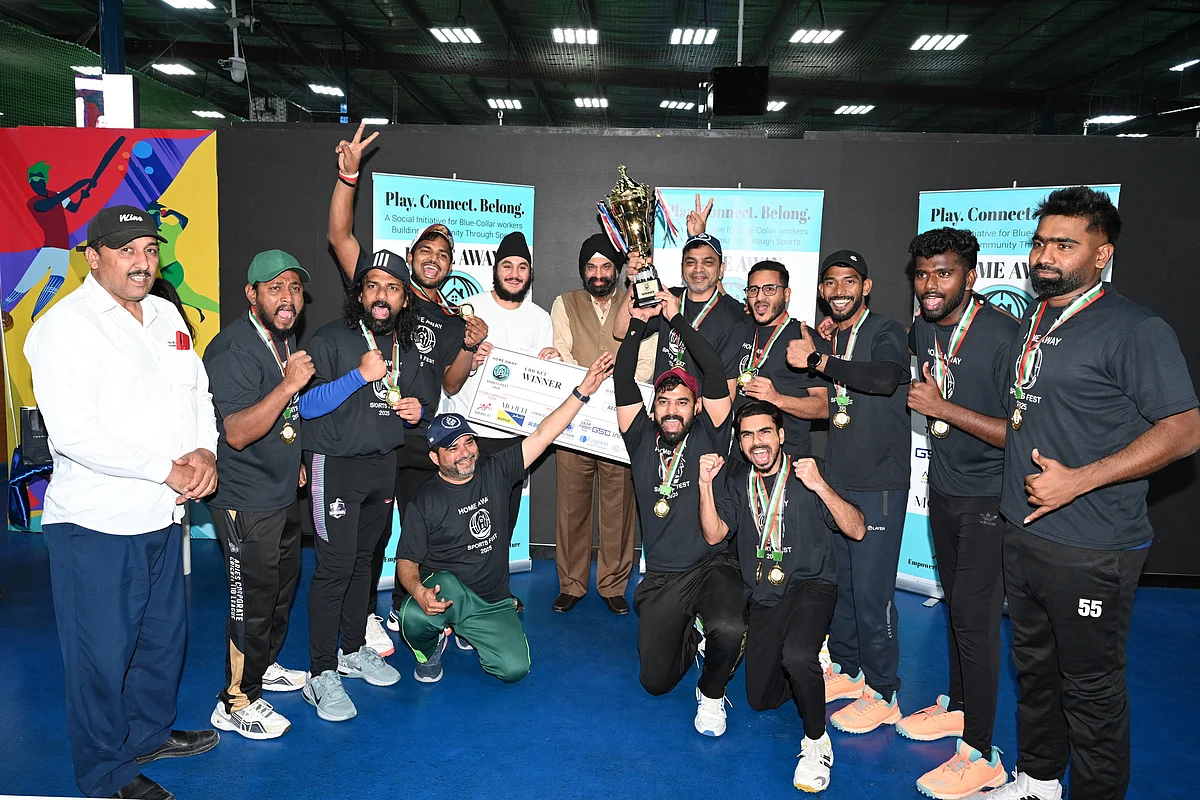
Home Away Sports Festival brings joy and community to Dubai’s blue-collar workers
February 19, 2025
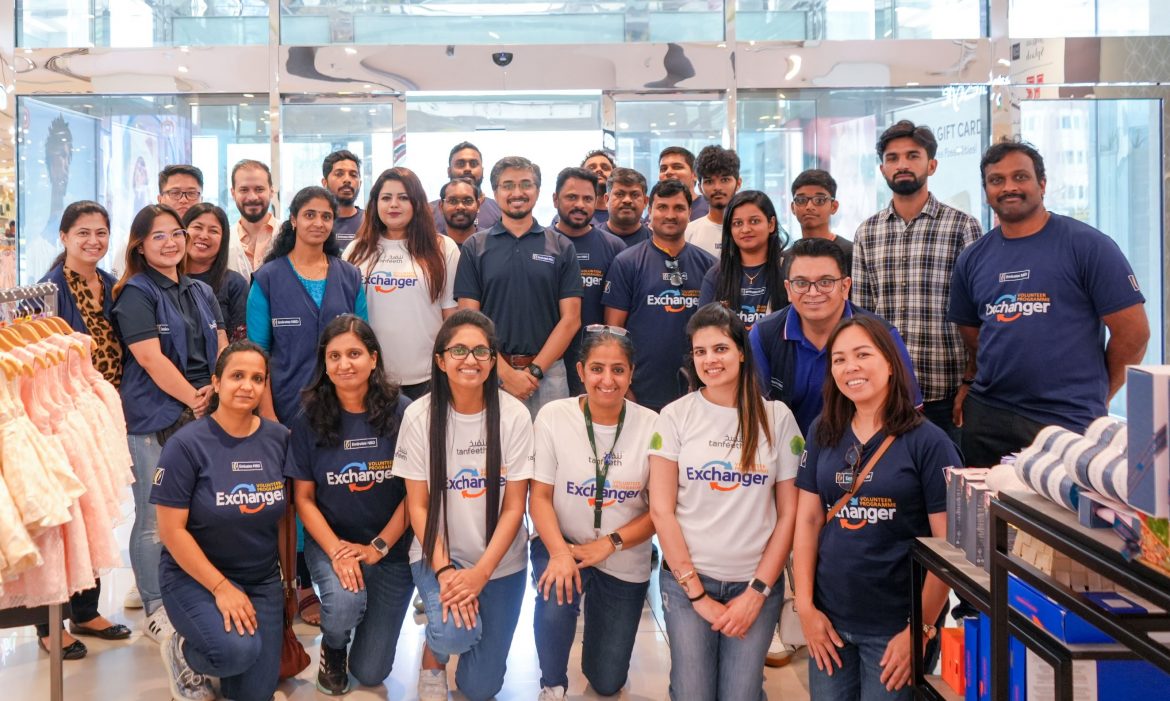
Emirates NBD community initiatives with SmartLife Foundation, distributing 630,000 meals
December 6, 2024
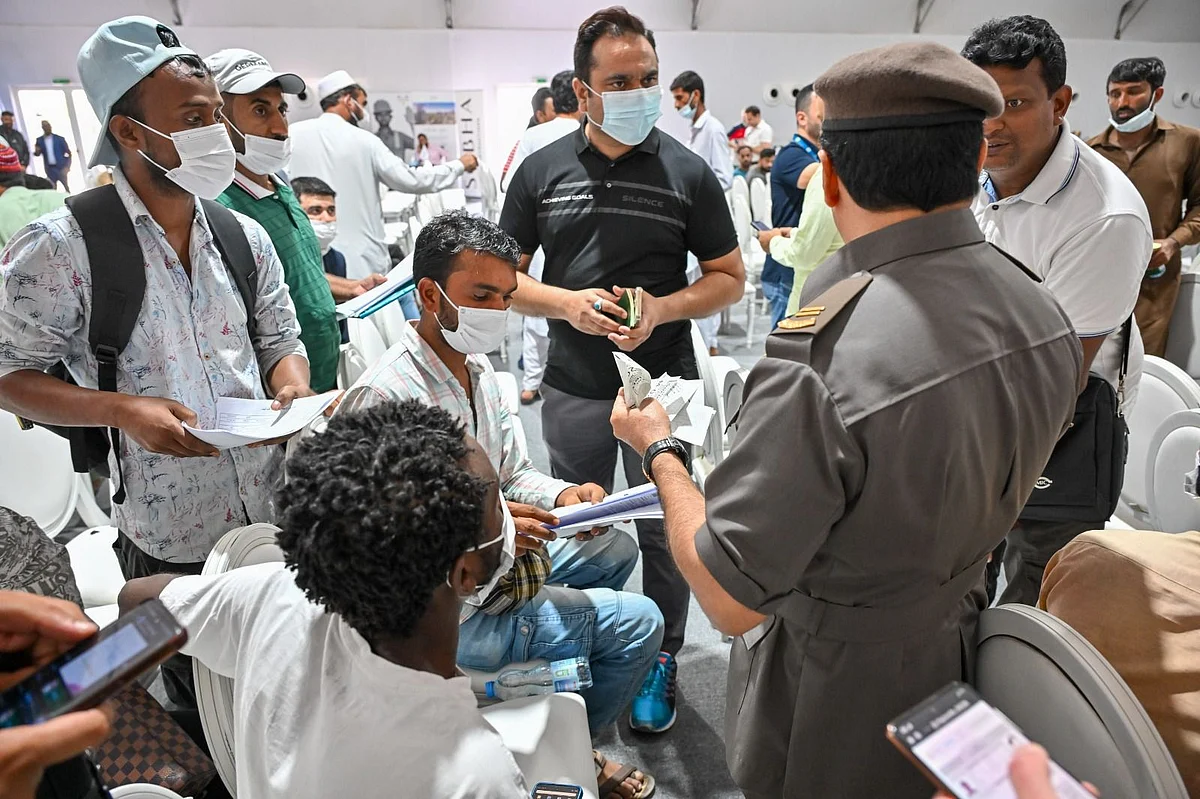
'I lived on a rooftop': Illegal UAE residents recall struggles before life-changing visa amnesty
September 20, 2024
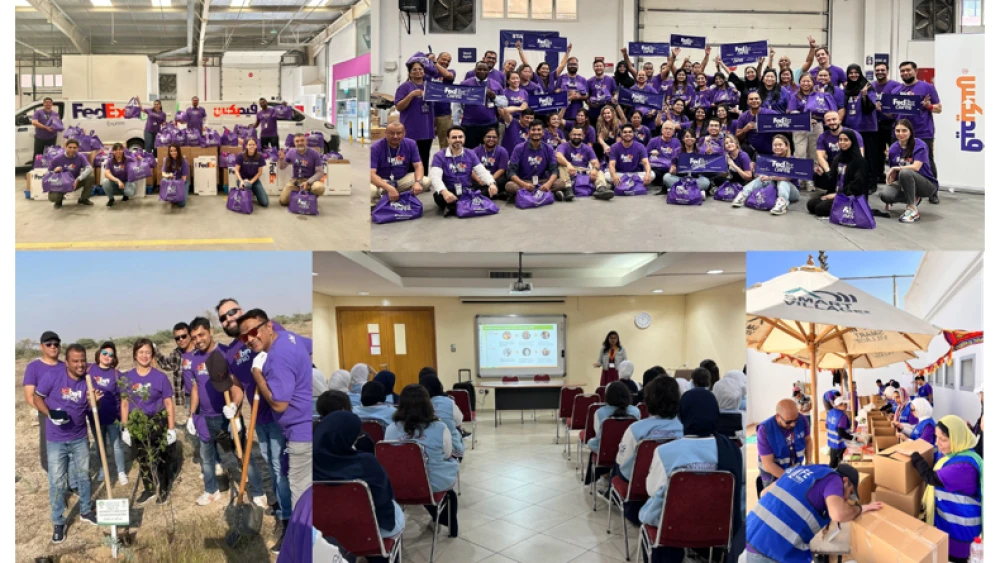
FedEx Corporation (MEA CSR)
September 9, 2024

KPMG launches 'Blue Wave' to uplift blue-collar workers in UAE
May 16, 2024
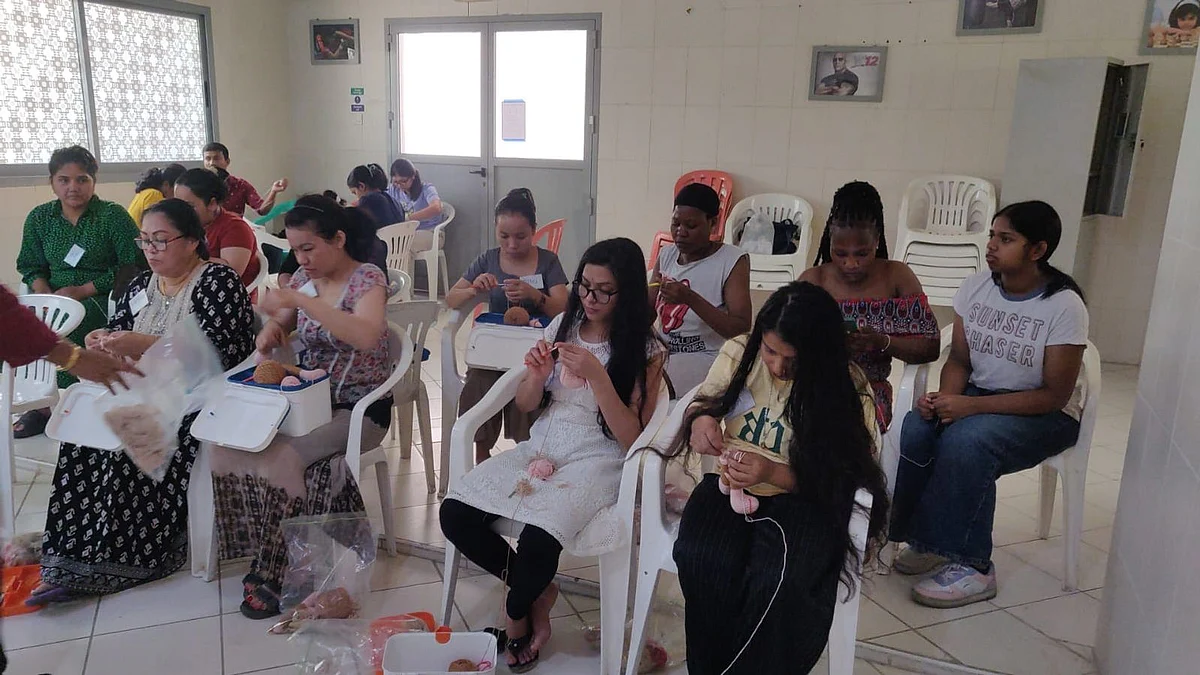
Dubai: Nannies, cleaners earn up to Dh1,500 extra income by making dolls
May 10, 2024
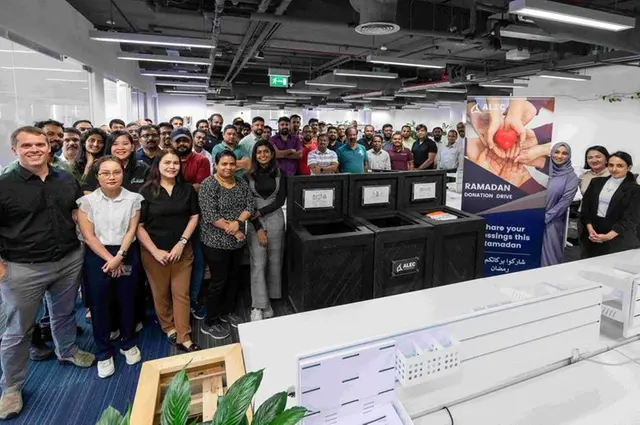
ALEC Group partners with Emirates Red Crescent and SmartLife on Ramadan Drive campaign
April 7, 2024

Century Financial's 30 days x 30 deeds Ramadan campaign makes the difference
March 23, 2024
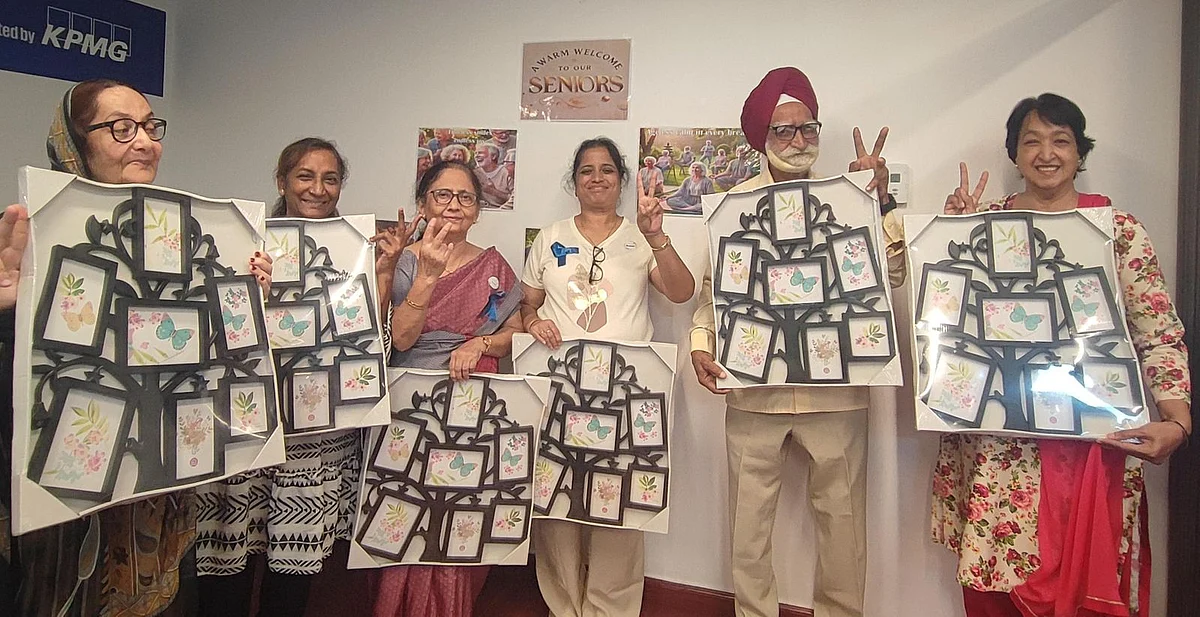
UAE: Party games for 60-year-olds? Fun meetups help elderly beat loneliness
March 10, 2024

Dubai: 6 blue-collar workers win Dh30,000 in popular talent show
December 11, 2021

UAE: Over 2000 labour camp workers audition for talent show
August 17, 2021

Single mum, electrician win top spots at talent contest
November 5, 2019

Learning English changed this Pakistani worker’s life in Dubai
October 4, 2019

Making a difference for low-income workers (Expert Insights interview)
August 20, 2019
Hunt begins for the most talented blue-collar worker in UAE (Smart Idol 2019 auditions)
March 1, 2019

The joy of giving: Why they volunteer
August 11, 2018
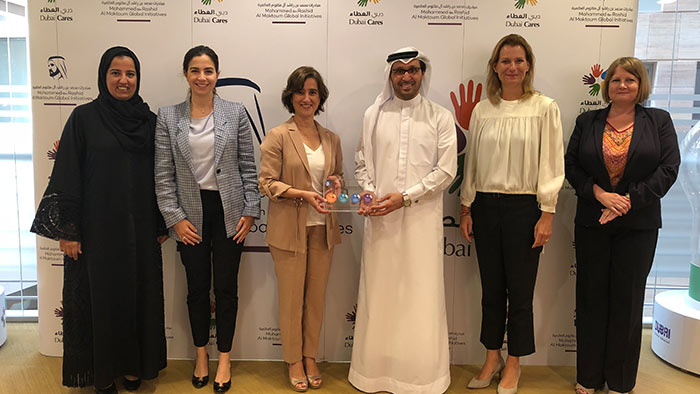
Philips embraces the holy month of Ramadan with local collaborations to improve people’s lives
June 20, 2018

A month of giving: six UAE charity campaigns running during Ramadan
May 31, 2018
Dubai's blue-collared workers showcase their talent at Smart Idol 2018
April 27, 2018
Smart IDOL 2018 auditions announced
January 1, 2018
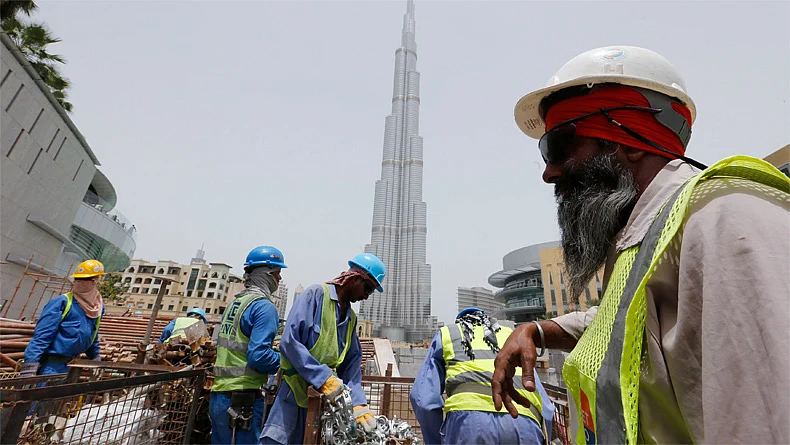
Indian workers in UAE get children's education support
September 15, 2016

A smart initiative for blue collar workers
September 15, 2016
SmartLife Selected as the First Major NGO Partner for Sage Foundation in the UAE/Middle East
July 5, 2016

'Smart idol' means a lot for these blue collars
May 1, 2016

Life has not been easy for last year’s Smart Idol
May 25, 2015
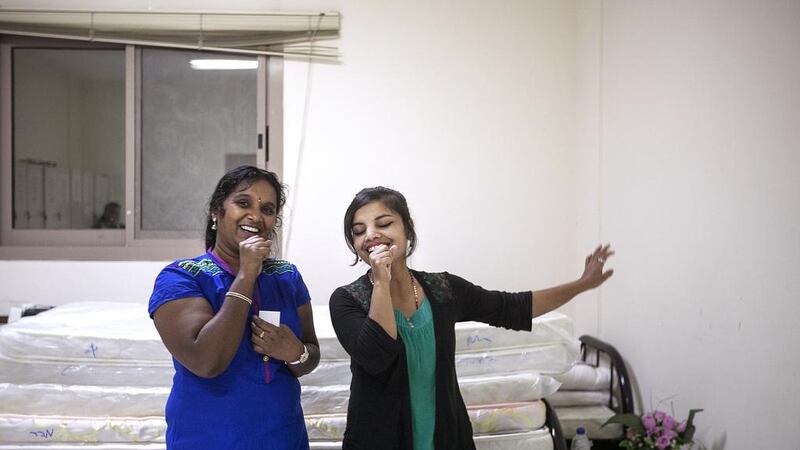
Meet the four female contestants in the SmartIDOL grand finale
May 20, 2015

Volunteer call & program overview
February 19, 2015

Wish upon a star: Abu Dhabi delivery man's rise to TV singing fame
September 11, 2014
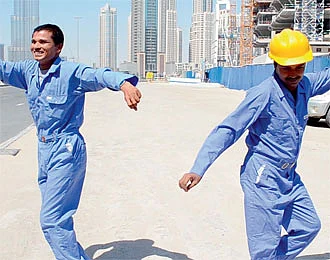
Viral video shows how happy workers are in Dubai
July 20, 2014

Dubai labourers' children receive school fund
July 1, 2014

Changing lives, one worker at a time
July 1, 2013
SmartCup to bring blue and white collared workers together
April 19, 2013
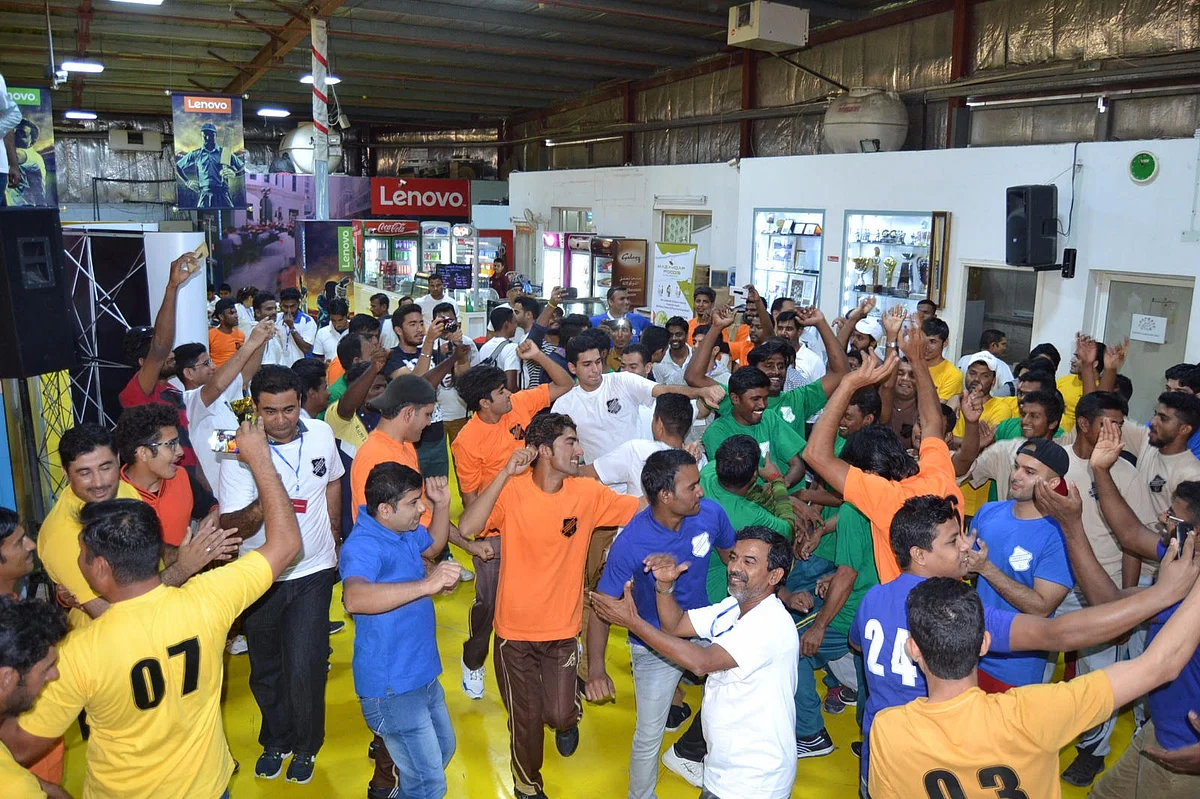
When cricket connected blue and white collar workers in Dubai
November 26, 2012
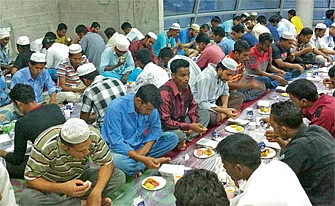
Charity can begin with an Iftar contribution
July 23, 2012
GCC: Migrants – SmartLife 'Adopt-a-Laborer' profile
April 16, 2012

Adopt a labourer in Dubai
March 1, 2011
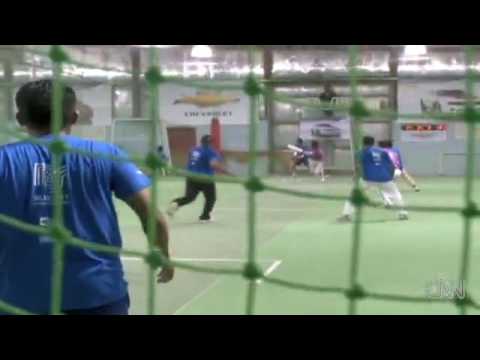
CNN coverage of Smart Cup 2010
June 1, 2010
The New York TimesThe article highlights how migrant workers in Dubai are coping with the psychological impact of the recent U.S.-Israeli war with Iran. Although missile and drone attacks have affected the UAE, many migrant workers continue working despite fear and uncertainty because they depend on their jobs to support families back home. A volunteer counselor, Laxmi Parekh, conducts mental health workshops for migrant workers through the nonprofit SmartLife. As the conflict intensified, she adapted her sessions to address workers' fears and teach coping strategies such as breathing exercises, maintaining routines, and staying calm. Many workers initially denied being afraid, but deeper conversations revealed significant anxiety. For example, Ramapathi Sharma worries about the future of his family if anything happens to him. Like many migrants, he feels trapped between safety concerns and the financial necessity of continuing to work in Dubai, where earnings are much higher than in their home countries. The article also describes how workers manage stress through friendship, prayer, and daily routines. However, counselors have observed increasing mental health challenges, including insomnia, excessive news consumption, anxiety, and emotional breakdowns. Despite the dangers and uncertainty caused by the war, most migrant workers remain in Dubai because they need to provide for their families. The story illustrates the resilience of these workers and the difficult choices they face between personal safety and economic survival.